
A few years ago, I started paying closer attention to what happens behind my own fence. Every time grocery prices jumped or a heavy storm knocked out power in neighboring streets for half a day, a simple thought stuck with me: how much of what my household needs actually comes from the space right outside my back door?
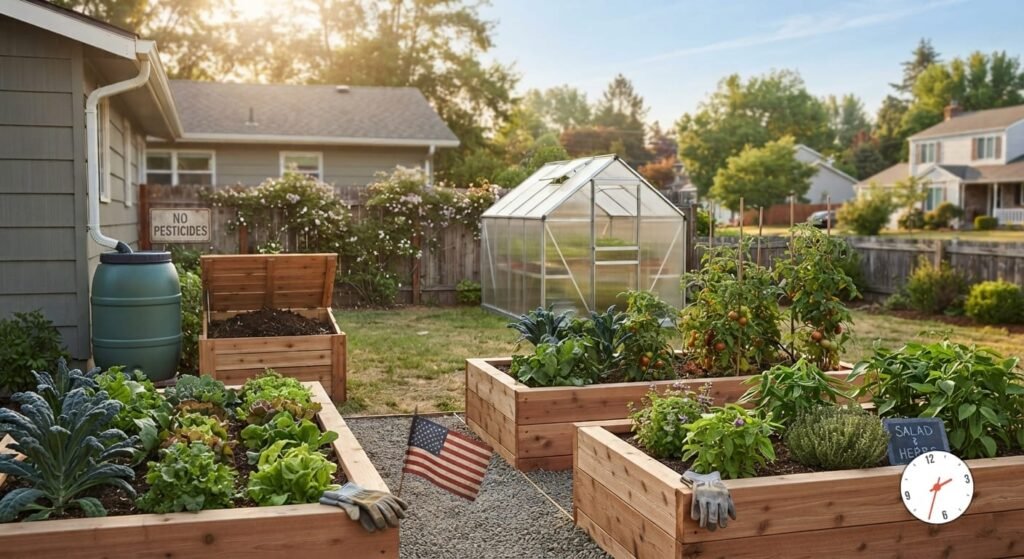
You don’t need forty acres in the middle of nowhere or a tractor the size of a living room to start moving toward independence. For most people in the US—whether you live in a quiet suburb, a small town, or a modest single-family lot—a self-sufficient backyard starts with small, practical habits that stack up over time.
In this guide, I’m breaking down what building a self-sufficient yard really looks like on the ground, where beginners usually trip up, and how resources like The Self-Sufficient Backyard by Ron and Johanna fit into the picture if you want structured project ideas without the guesswork.

What “Self-Sufficient Backyard” Actually Means in Real Life
Online, “self-sufficiency” often gets dressed up like a movie scene. You see massive raised beds, pristine barns, solar arrays that look like a space station, and people making sourdough from grain they milled themselves at sunrise.
In real life, it’s much quieter—and honestly, much more doable.
A self-sufficient backyard is simply a yard designed to reduce how much you rely on outside supply chains for everyday basics like:
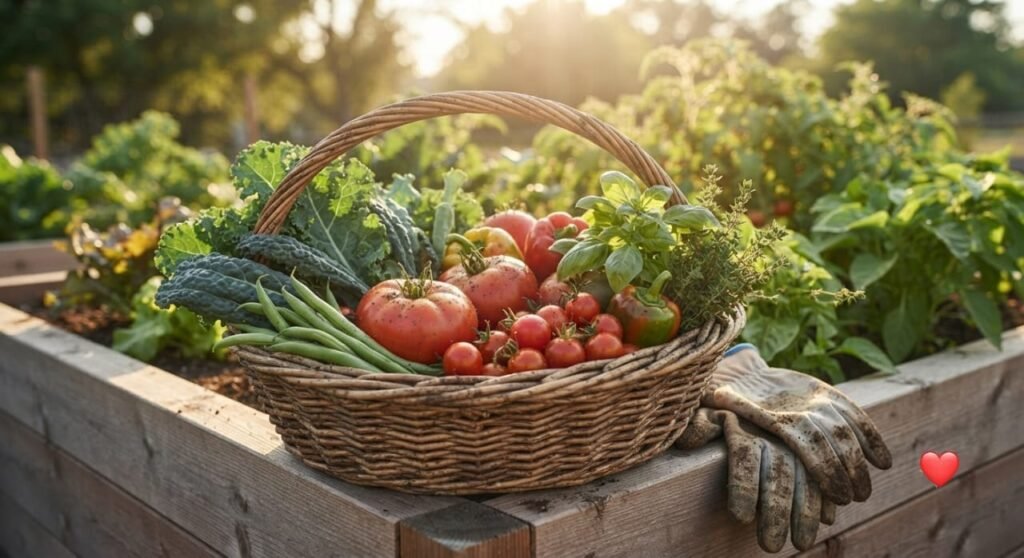
Fresh food (even if it’s herbs, salad greens, tomatoes, peppers, or a few fruit bushes)
Water management (capturing rainwater or keeping soil healthy so it holds moisture)
Basic energy & backup readiness (simple off-grid habits, portable power, or low-tech food preservation)
Waste recycling (composting kitchen scraps and yard trimmings instead of bagging them up)
You don’t have to do all of it in one weekend. In fact, trying to overhaul your entire yard in a single month is one of the fastest ways to burn out by July.
Where to Start Without Overwhelming Yourself
If you’re looking at your yard right now and wondering what makes sense first, start with what you’ll actually stick with when work gets busy or the weather turns ugly.
1. Audit Your Sunlight, Space, and Rules
Before buying a single seed packet or piece of lumber, walk your yard at three different times of day: morning, midday, and late afternoon.
Most vegetables and fruiting plants need at least 6 to 8 hours of direct sun.
Check drainage after rain so you don’t build beds in a spot that turns into a puddle.
If you have an HOA or city rules, check what’s allowed up front—neat raised beds, container gardens, and tidy compost setups usually pass easily when kept well-maintained.
2. Grow What You Actually Eat
This sounds obvious, yet so many first-time growers plant things nobody in the house touches. If your family eats salsa, salads, stir-fries, or herbal tea every week, start there. Cherry tomatoes, bush beans, zucchini, lettuce, basil, and mint give quick feedback and steady harvests without needing huge acreage.
3. Build Soil First, Not Just Structures
Good soil is the quiet engine behind any productive yard. Mixing finished compost into native soil, mulching around plants to lock in moisture and block weeds, and keeping living roots in the ground will save you money on fertilizer and watering over time.
Practical DIY Projects That Add Real Value
Once the basics are moving, small DIY upgrades help turn a passive lawn into a working space.
Compost Bins: A simple two-bin or tumbler setup turns vegetable peels, coffee grounds, and dry leaves into rich soil amendment. Just keep the balance roughly right between “greens” (kitchen scraps, fresh clippings) and “browns” (dry leaves, shredded cardboard) so it doesn’t smell.
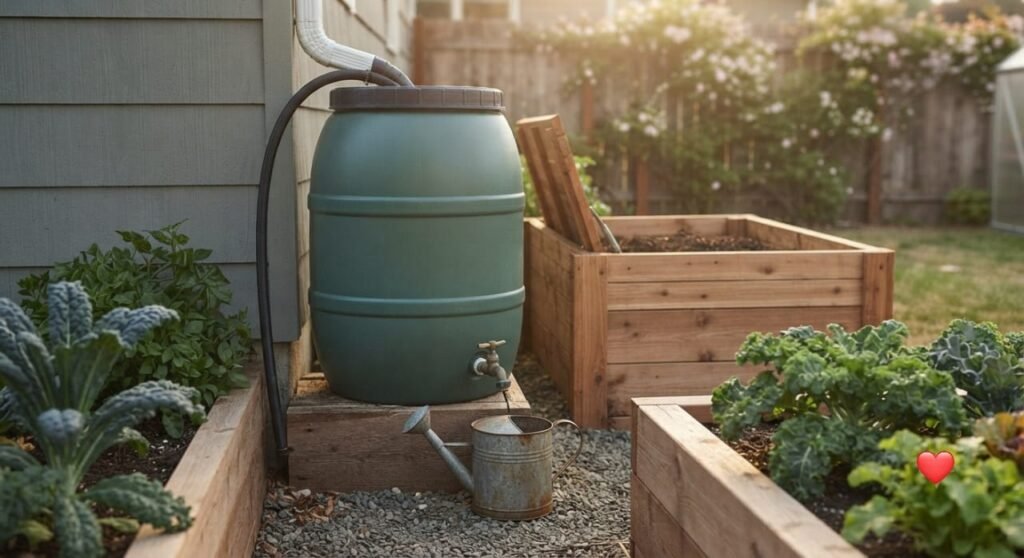
Rainwater Catchment: Where local laws allow, connecting a rain barrel to a downspout gives you stored water for garden beds during dry spells. Always check local state and municipal guidelines first, as rules vary across US states.
Small-Space Food Preservation: Drying herbs, freezing extra berries, or learning basic food storage helps cut down waste when a crop comes in all at once.

How The Self-Sufficient Backyard Fits In
When you’re researching homesteading and off-grid skills online, it’s easy to end up with twenty open browser tabs and five conflicting opinions on every project. That’s where having a dedicated guide can save time.
The Self-Sufficient Backyard, written by Ron and Johanna, focuses on practical backyard self-reliance, DIY projects, and off-grid living concepts for homeowners who want actionable ideas in one place.
What It Can Help With
Gathering structured ideas around backyard independence and DIY projects without piecing together scattered blog posts from scratch.
Sparking inspiration if you want a clear reference point while planning seasonal improvements around your property.
Honest Limitations to Keep in Mind
No book or guide can replace hands-on trial and error in your exact microclimate. Soil type, frost dates, local regulations, and personal schedules differ from house to house, and no single guide guarantees specific financial savings or results. Treat any book as a practical planning aid and idea bank, not a magic shortcut.
If you want to look closer at the book, its structure, and current availability for yourself, you can check out The Self-Sufficient Backyard official page and see whether its approach matches what you’re trying to build in your yard.
Common Mistakes Beginners Make (and How to Avoid Them)
Having watched plenty of folks—and made my share of missteps—start backyard projects, a few patterns show up again and again:
Starting too big in year one: Going from zero to twenty raised beds often leads to overgrown weeds and stress by mid-summer. Start small, finish strong, and expand next season.
Ignoring watering access: Hauling a heavy watering can across a large yard every evening gets old fast. Plan hose reach or drip lines early.
Chasing trends over utility: Fancy gadgets look great on social media, but simple, reliable habits you maintain every week are what actually pay off.
Final Thoughts: Keep It Steady and Practical
Building a self-sufficient backyard isn’t about proving anything to anyone else. It’s about taking steady, sensible steps toward growing a bit more of your own food, wasting less, and feeling a little more capable right where you live.
Start with one corner of the yard, pick one small project you can finish this month, and let your experience grow one season at a time.
(Affiliate disclosure: Some links in this article may be affiliate links, meaning if you choose to make a purchase through them, I may earn a small commission at no extra cost to you. Every effort is made to share honest, practical perspectives so you can decide what works best for your household.)
